
Italian Wedding Traditions: Meaningful Ideas for a Destination Wedding in Italy
Italian wedding traditions are one of the reasons why so many international couples choose Italy for their destination wedding. Beyond the breathtaking landscapes, historic venues and world-famous cuisine, Italy offers a rich cultural heritage filled with meaningful rituals, family customs and celebrations that have been passed down through generations.
Many couples dream of an authentic Italian wedding experience but are unsure which traditions genuinely reflect Italian culture and which have become tourist clichés. The reality is that Italian wedding traditions vary from region to region, and some of the most beautiful customs are often found far away from the most commercial wedding destinations.
From lively wedding dances and symbolic ceremonies to family-centered celebrations and unforgettable wedding feasts, these traditions can add personality, emotion and authenticity to your wedding day while creating a memorable experience for your guests.
In this guide, we explore the most famous Italian wedding traditions, their origins, their meaning, and how modern couples can incorporate them into a destination wedding in Italy without sacrificing elegance or personal style.
What Are the Most Famous Italian Wedding Traditions?
Italian weddings have always been about more than the ceremony itself. Historically, marriage represented the union of two families and an entire community coming together to celebrate. While modern weddings have evolved significantly, many traditional customs remain popular today.
Some of the most recognised Italian wedding traditions include:
- La Serenata, the groom’s romantic pre-wedding serenade.
- The throwing of rice after the ceremony.
- Confetti and bomboniere gifted to guests.
- Traditional Italian wedding dances.
- Large multi-course wedding banquets.
- Family-centered celebrations lasting several days.
- Symbolic good-luck rituals passed down through generations.
While not every tradition is suitable for every couple, understanding their meaning can help you create a wedding that feels connected to Italian culture while remaining true to your own story.
Italian Wedding Ceremony Traditions
Italian wedding ceremonies are often deeply rooted in family, symbolism and community. While modern couples may personalise many aspects of the ceremony, several traditions continue to play an important role throughout Italy.
La Serenata
One of the most romantic Italian wedding traditions is La Serenata. Traditionally, the groom surprises the bride on the evening before the wedding by singing beneath her window, often accompanied by musicians, friends and family members.
Today, many couples reinterpret this tradition by organising a private musical performance at their wedding venue, creating an intimate and memorable moment before the celebrations begin.
Throwing Rice for Good Luck
After the ceremony, guests traditionally throw rice over the newlyweds as they exit the church or ceremony venue. The rice symbolises prosperity, fertility and abundance for the couple’s future together.
Many modern weddings now replace rice with flower petals, olive leaves or biodegradable confetti while preserving the symbolic meaning of the tradition.
The Importance of Family
Family plays a central role in Italian weddings. Parents, grandparents, siblings and extended relatives are often deeply involved in the celebration, reflecting the strong family values that remain a defining characteristic of Italian culture.
Even in contemporary destination weddings, many couples choose to incorporate family traditions, speeches or symbolic gestures that honour previous generations.
Italian Wedding Superstitions
Italy has a long history of wedding-related superstitions. Some are still observed today, while others survive mainly as cultural curiosities.
- The bride should avoid wearing gold jewellery before the wedding ring is placed on her finger.
- The groom traditionally carries a small piece of iron to ward off bad luck.
- Rain on the wedding day is often considered a positive sign, symbolising fertility and good fortune.
- The bride should wear something old, something new, something borrowed and something blue.
Italian Wedding Reception Traditions
For many Italians, the wedding reception is the heart of the celebration. It is where family, friends, food and music come together to create an unforgettable experience.
A Multi-Course Wedding Feast
Italian weddings are famous for their extraordinary banquets. Unlike many countries where weddings may feature a single meal, traditional Italian receptions often include multiple courses served over several hours.
Guests can expect a culinary journey that may include:
- Antipasti featuring local specialities.
- Fresh handmade pasta.
- Seafood or meat courses.
- Artisanal cheeses.
- Traditional desserts.
- Regional wines.
The emphasis is not simply on quantity but on hospitality, quality ingredients and sharing the experience together.
Bomboniere and Confetti
One of the most recognisable Italian wedding customs is the giving of bomboniere. These elegant wedding favours are traditionally presented to guests as a thank-you for attending the celebration.
Bomboniere typically contain five sugar-coated almonds known as confetti, symbolising health, wealth, happiness, fertility and longevity.
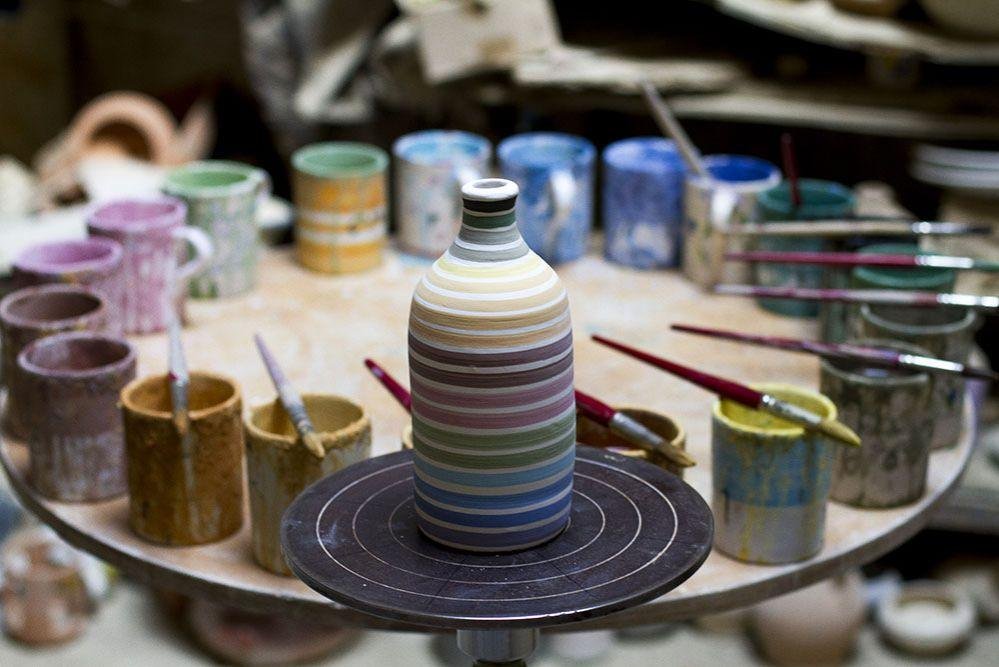
Many destination weddings now personalise this tradition with locally produced gifts such as olive oil, ceramics, handmade candles or regional delicacies.
The Millefoglie Wedding Cake
While tiered wedding cakes are becoming increasingly popular, many Italian weddings still feature a traditional Millefoglie.
This elegant layered pastry is assembled live in front of guests and filled with fresh cream, seasonal fruit and powdered sugar.
The preparation itself often becomes part of the entertainment and one of the most memorable moments of the evening.
Italian Wedding Dance Traditions
Among all Italian wedding traditions, dance remains one of the most joyful and engaging elements of the celebration.
Search data consistently shows strong interest in Italian wedding dance traditions because they offer guests an authentic and memorable cultural experience.
La Tarantella
The most famous Italian wedding dance is undoubtedly the Tarantella.
This energetic folk dance originated in Southern Italy and is traditionally performed in a circle as guests join together to celebrate the newlyweds.
The fast rhythm, lively music and spontaneous participation create an atmosphere of happiness and unity.
For many international couples, including a Tarantella is one of the easiest ways to add authentic Italian character to a destination wedding.
The Pizzica Tradition in Puglia
In Puglia, the local variation of traditional folk dancing is known as Pizzica.
Originally associated with ancient healing rituals, Pizzica has evolved into one of the region’s most iconic cultural expressions.
Today, live Pizzica performances are frequently incorporated into destination weddings throughout Puglia, creating a unique experience that guests often remember long after the celebration has ended.
The combination of traditional musicians, tambourines and vibrant dancing perfectly reflects the spirit of Southern Italy.
Southern Italian Wedding Traditions
Southern Italy preserves some of the country’s most authentic wedding customs.
While traditions vary between regions, celebrations in areas such as Puglia, Sicily, Calabria and Campania often place a particularly strong emphasis on hospitality, food, music and family involvement.
Compared to some of Italy’s more commercial wedding destinations, Southern Italy often provides a more immersive cultural experience.
This authenticity is one of the reasons why international couples are increasingly choosing regions such as Puglia for their destination weddings.
How to Include Italian Wedding Traditions in a Modern Destination Wedding
Incorporating Italian traditions does not mean recreating a historical wedding. The most successful destination weddings take inspiration from local culture while remaining personal and relevant to the couple.
Some of the easiest traditions to incorporate include:
- A live Tarantella or Pizzica performance.
- Bomboniere featuring local products.
- A traditional Millefoglie cake.
- A family-style wedding banquet.
- Olive branch and citrus-inspired décor.
- A romantic Serenata before the wedding day.
These elements help create an authentic Italian atmosphere without feeling forced or overly traditional.
Why Many Couples Choose Puglia for an Authentic Italian Wedding
While Italy offers many beautiful wedding destinations, Puglia has become increasingly popular among couples seeking a genuine Italian experience.
The region combines historic masserie, exceptional food, breathtaking coastlines, warm hospitality and centuries-old traditions that remain part of everyday life.
Unlike some destinations that have become heavily commercialised, many areas of Puglia still preserve the authentic atmosphere that couples imagine when they dream of an Italian wedding.
To learn more about planning a destination wedding in the region, explore our guide to Wedding in Puglia.
If you are comparing locations across the country, you may also find our guide to Italy Wedding Venues useful.
Frequently Asked Questions About Italian Wedding Traditions
What is the most famous Italian wedding tradition?
The Tarantella dance is one of the most widely recognised Italian wedding traditions and remains popular throughout Southern Italy.
What are bomboniere?
Bomboniere are traditional wedding favours given to guests as a symbol of gratitude and appreciation.
Why do Italians throw rice at weddings?
Rice symbolises prosperity, abundance and fertility for the newly married couple.
What is a traditional Italian wedding cake?
The Millefoglie, a layered pastry filled with cream and fruit, is one of the most traditional wedding cakes served in Italy.
What is the traditional wedding dance in Puglia?
Pizzica is the traditional folk dance most closely associated with Puglia and is frequently performed at weddings throughout the region.
Final Thoughts
Italian wedding traditions are much more than charming customs. They represent centuries of culture, family values and celebration, helping transform a wedding into an unforgettable experience for both the couple and their guests.
Whether you choose to include a lively Tarantella, a romantic Serenata, a traditional Millefoglie cake or authentic Southern Italian music, these traditions can add personality, meaning and a genuine connection to Italy’s extraordinary heritage.
For couples planning a destination wedding in Italy, incorporating even a few of these traditions can help create a celebration that feels timeless, elegant and truly unforgettable.