
Italy Wedding Venues
The Complete Guide to Choosing the Perfect Wedding Location in Italy
Choosing among the many Italy wedding venues available today is one of the most important decisions an international couple will make when planning a destination wedding. Italy offers an extraordinary range of locations: historic villas overlooking Lake Como, luxury masserie surrounded by olive groves in Puglia, cliffside hotels on the Amalfi Coast, vineyard estates in Tuscany, private palaces in Venice, seaside resorts in Sicily and countryside castles hidden far from the usual tourist routes.
At first, this variety feels exciting. Then, very quickly, it can become overwhelming.
Many couples begin their search with a simple idea: they want a beautiful wedding venue in Italy. After a few weeks of research, they usually discover that almost every region looks spectacular, every venue presents itself as unique, and every destination seems to promise the perfect Italian wedding experience.
The real challenge is not finding a beautiful venue. Italy has thousands of them. The real challenge is understanding which venue is truly right for your wedding, your guests, your budget, your logistics and the kind of experience you want people to remember.
A wedding in Lake Como does not feel like a wedding in Puglia. A Tuscan vineyard estate creates a completely different atmosphere from a seaside terrace in Positano. A Venetian palace may look unforgettable in photographs, but it also requires a very specific logistical approach. A luxury masseria in Puglia may offer privacy, accommodation, food, guest experiences and multi-day celebrations in one place, while a historic villa may require more external coordination.
This is why choosing a wedding venue in Italy should never be based on images alone. The venue determines almost everything: the rhythm of the day, the comfort of the guests, the style of the wedding, the suppliers required, the budget structure, the rain plan, the transportation needs and even the emotional tone of the celebration.
This guide is designed to help international couples understand the Italian wedding venue landscape with more clarity. Instead of simply listing beautiful places, it explains how different types of venues work, what each region offers, what hidden details should be considered before booking and how to choose a location that feels not only beautiful, but strategically right for the wedding you want to create.
Why Italy Has Become One of the World’s Most Desired Wedding Destinations
Italy has always been associated with romance, but in recent years it has become one of the strongest destinations in the global luxury wedding market. Couples from the United States, the United Kingdom, Canada, Australia, the Middle East and Northern Europe increasingly choose Italy not only because it is beautiful, but because it offers something that many other destinations struggle to combine: history, lifestyle, food, architecture, hospitality and emotional atmosphere.
France offers elegance. Greece offers islands and sea views. Spain offers energy and warmth. But Italy offers a rare combination of all these elements, with a depth of culture that can completely transform a wedding into a travel experience.
For many international couples, the wedding is no longer just a one-day event. It is a reason to bring family and friends together in a place that feels meaningful, memorable and worth travelling for. This is one of the reasons why Italy wedding venues have become so requested. A wedding in Italy often becomes a full experience: welcome dinner, rehearsal dinner, wedding day, pool party, boat tour, wine tasting, farewell brunch or guided visit through a historic town.
This shift is especially important. Couples are not only asking, “Where can we get married?” They are asking, “Where can our guests live something unforgettable with us?”
That question changes everything.
A venue is no longer just a backdrop. It becomes the centre of the guest experience. The right venue can make guests feel immersed in Italian culture from the moment they arrive. It can allow them to taste regional food, walk through olive groves, sleep inside historic walls, enjoy local wines, discover nearby villages and feel part of something that could not have happened anywhere else.
This is where Italy is particularly strong. Each region has a very distinct identity. Lake Como is elegant, cinematic and exclusive. Tuscany is warm, rural and timeless. Puglia is authentic, generous and increasingly sophisticated. The Amalfi Coast is dramatic, romantic and visually powerful. Venice is historic, theatrical and unlike any other wedding destination in the world.
For couples planning from abroad, this variety is both a blessing and a difficulty. It allows for enormous creative freedom, but it also requires a clear method of selection. Without guidance, many couples compare venues only by appearance, without considering the deeper practical and emotional differences between them.
For example, a venue may look perfect online but have limited accommodation nearby. Another may offer beautiful views but strict music restrictions. A villa may be iconic but require complex transportation for elderly guests. A coastal venue may be visually breathtaking but difficult to manage in peak summer traffic. A countryside estate may feel romantic but need a strong rain plan and reliable supplier access.
These are not small details. They are often the difference between a wedding that feels effortless and one that becomes stressful behind the scenes.
The best Italy wedding venues are not simply the most famous ones. They are the venues where beauty, logistics, hospitality and emotional experience work together. When these elements are aligned, the wedding feels natural. Guests do not notice the complexity. They only feel the atmosphere, the welcome, the food, the music, the rhythm of the day and the sense that everything has been carefully considered.
This is the real strength of Italy as a wedding destination. It offers not only beautiful places, but complete worlds. A wedding in a masseria in Puglia can feel like entering a private village of white stone, olive trees, candlelight and local cuisine. A wedding on Lake Como can feel like a scene from an old European film, with boats, gardens and villas reflected on the water. A wedding in Tuscany can feel like a long summer dinner among vineyards and cypress trees. A wedding in Venice can feel almost theatrical, with arrival by boat, palazzo interiors and historic grandeur.
That emotional power is why so many couples are willing to travel, invest and plan carefully for an Italian wedding. They are not only buying a venue. They are choosing the setting in which one of the most important memories of their life will be created.
For this reason, the first step is not asking which venue is the most beautiful. The first step is understanding what kind of wedding experience you want Italy to give you.
Understanding the Different Types of Italy Wedding Venues
One of the most common mistakes couples make when searching for Italy wedding venues is focusing exclusively on destinations rather than venue categories. Before comparing Puglia, Lake Como or Tuscany, it is important to understand that Italy offers several completely different types of wedding venues, each creating a distinct guest experience.
Two venues may both be located in Italy and accommodate the same number of guests, yet deliver a completely different wedding atmosphere. A historic villa overlooking Lake Como creates a very different experience from a luxury masseria in Puglia. A castle in Tuscany feels different from a seaside resort on the Amalfi Coast. Even when budgets are similar, the overall guest journey can be radically different.
For this reason, experienced wedding planners often begin by helping couples identify the type of venue that best matches their priorities before narrowing the search to a specific destination.
Understanding the strengths and limitations of each venue category can save months of research and significantly improve the decision-making process.
Historic Villas
Historic villas are among the most iconic wedding venues in Italy and are particularly associated with destinations such as Lake Como, Tuscany and the Veneto region.
Many of these properties date back centuries and were originally built as aristocratic residences. Today, they offer couples the opportunity to celebrate their wedding surrounded by historic architecture, formal gardens, grand staircases and exceptional views.
Some of Italy’s most famous wedding venues belong to this category, including Villa del Balbianello, Villa Balbiano, Villa d’Este, Villa Erba and Villa Monastero.
The primary advantage of a villa wedding is atmosphere. Few venue types can compete with the elegance and visual impact of a historic Italian villa. Guests immediately feel that they are entering a unique environment with a strong sense of history and prestige.
However, villas also present challenges that couples often underestimate.
Many villas were not originally designed as hospitality venues. Accommodation may be limited or completely unavailable. Additional logistics are frequently required for transportation, catering, supplier access and guest management. In some cases, ceremonies, receptions and accommodation are spread across multiple locations.
For couples prioritising exclusivity, architecture and iconic scenery, villas remain among the most desirable wedding venues in Italy. For couples seeking convenience and multi-day guest experiences, other venue categories may offer advantages.
Luxury Masserie
If there is one venue category that has transformed the Italian destination wedding market over the last decade, it is the luxury masseria.
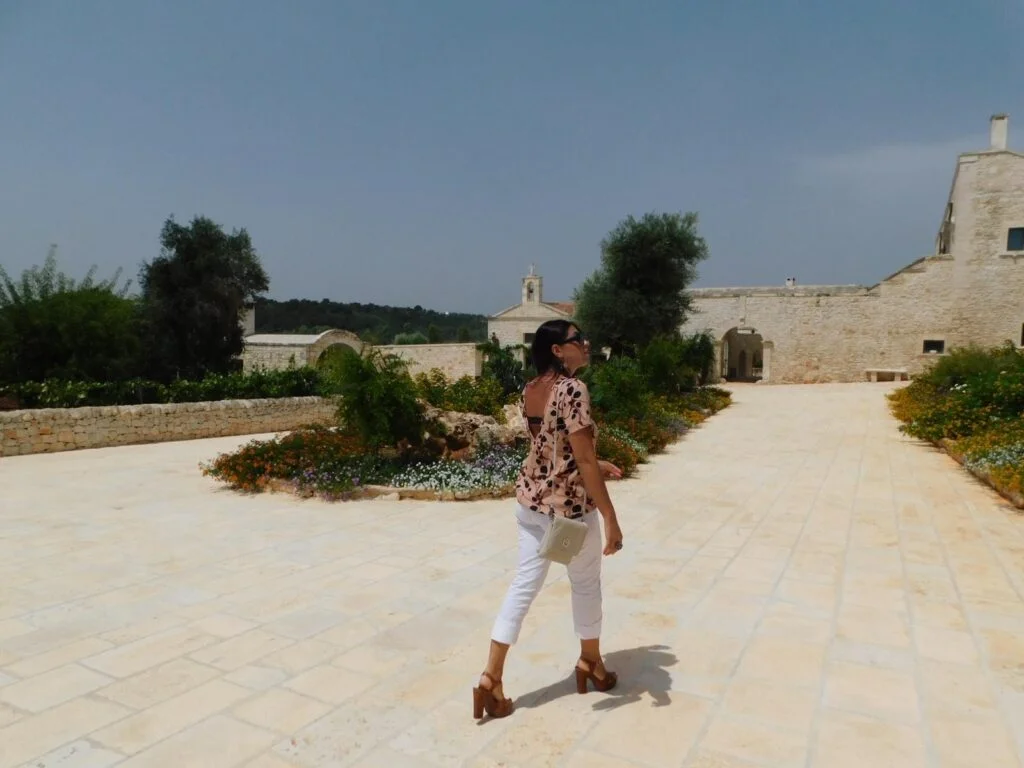
Masserie are traditional fortified farm estates that originated in Southern Italy, particularly in Puglia. Historically, they served as agricultural centres surrounded by olive groves, vineyards and farmland. Today, many have been carefully restored and converted into luxury hospitality properties while preserving their authentic architectural character.
Unlike many historic villas, masserie were often designed around courtyards, guest accommodation and large outdoor spaces. This makes them particularly suitable for destination weddings.
One of the main reasons international couples are increasingly choosing Puglia is that a luxury masseria often allows the entire wedding experience to take place in a single location.
Guests can stay on site, participate in welcome events, enjoy local experiences, attend the wedding celebration and remain together throughout the weekend without constant transfers between venues.
This creates a more immersive and relaxed atmosphere that many modern couples prefer.
Luxury masserie also offer a unique aesthetic. White stone architecture, olive groves, Mediterranean gardens and open-air courtyards create a setting that feels distinctly Southern Italian.
Properties such as Borgo Egnazia have played a significant role in introducing international audiences to this style of wedding venue, but many other exceptional masserie throughout Puglia offer equally memorable experiences with different scales and levels of exclusivity.
For couples prioritising guest experience, privacy and multi-day celebrations, luxury masserie often represent one of the strongest venue categories available anywhere in Italy.
Castles and Historic Estates
Italy’s long history has left behind an extraordinary collection of castles, fortified estates and noble residences that now serve as wedding venues.
These venues appeal to couples looking for a sense of grandeur, heritage and timeless elegance.
Castles are particularly popular in regions such as Tuscany, Umbria and parts of Southern Italy, where medieval architecture remains remarkably well preserved.
The advantage of a castle wedding is the dramatic sense of arrival it creates. Stone walls, historic courtyards, panoramic views and centuries of history contribute to a wedding atmosphere that feels almost cinematic.
However, not all castles are equal.
Some have been transformed into luxury hospitality venues with modern comforts and accommodation. Others remain primarily historic properties with operational limitations.
Accessibility, guest comfort and logistics should always be evaluated carefully when considering castle venues.
Luxury Resorts
Luxury resorts occupy a unique position within the Italian wedding market because they combine hospitality infrastructure with event capabilities.
Unlike private villas or historic estates, resorts are specifically designed to accommodate large numbers of guests while providing a wide range of services and amenities.
This makes them particularly attractive for international destination weddings.
Luxury resorts often include multiple restaurants, swimming pools, wellness facilities, concierge services, accommodation and dedicated event teams.
For couples planning multi-day wedding celebrations, this can significantly simplify logistics.
The trade-off is that some resorts may feel less private than exclusive-use venues unless a full buyout is arranged.
Understanding the level of exclusivity available is therefore an important part of the venue selection process.
Seaside Wedding Venues
Italy’s extensive coastline offers some of Europe’s most spectacular seaside wedding venues.
From the cliffs of Positano to the Adriatic coast of Puglia and the beaches of Sicily, coastal venues attract couples who dream of sea views, Mediterranean sunsets and outdoor celebrations.
These venues often provide exceptional visual impact and naturally romantic settings.
However, seaside weddings require careful planning. Wind conditions, summer temperatures, transportation and tourist traffic can all influence the guest experience.
The most successful coastal weddings balance beautiful scenery with strong operational planning.
Private Estates and Exclusive Properties
A final category often overlooked by couples is the private estate.
These properties may not have the international reputation of a luxury hotel or famous villa, but they can offer exceptional privacy and flexibility.
Private estates are particularly attractive for couples seeking complete control over their wedding environment.
Unlike hotels or public venues, private estates often allow greater freedom regarding event design, timing, entertainment and guest experience.
For some couples, this flexibility becomes one of the most valuable features of the venue itself.
Ultimately, the most important decision is not choosing the most famous venue category, but identifying which environment best supports the experience you want to create. Once this foundation is clear, selecting the right destination becomes significantly easier.
The Best Wedding Destinations in Italy Compared
One of the biggest misconceptions among international couples is the belief that all Italian wedding destinations offer a similar experience. In reality, choosing between Puglia, Lake Como, Tuscany, Venice or the Amalfi Coast is not simply a matter of scenery. Each destination attracts a different type of couple, supports a different style of wedding and creates a different experience for guests.
Understanding these differences is often more valuable than comparing individual venues. While photographs can make every location look beautiful, the practical reality of hosting a wedding in each region varies significantly.
The following comparisons are based on the factors that most frequently influence venue selection: atmosphere, guest experience, accessibility, budget, logistics and overall wedding style.
Puglia vs Lake Como
Puglia and Lake Como are currently among the most requested wedding destinations in Italy, yet they offer almost opposite experiences.
Lake Como represents classic European luxury. The landscape is dramatic and elegant, characterised by historic villas, manicured gardens, mountains and lakeside architecture. Couples are often drawn to the destination because it feels iconic, refined and internationally recognised.
Puglia offers a more immersive and experiential approach. Rather than focusing on a single spectacular venue, weddings often become multi-day celebrations where guests spend several days together within a luxury masseria, exploring the local culture, cuisine and countryside.
One of the most significant differences involves guest experience. At Lake Como, accommodation is frequently spread across multiple hotels and villages. Guests may require boats, private transfers and additional transportation throughout the celebration.
In Puglia, many luxury masserie function almost like private villages. Accommodation, dining, welcome events, pool parties and the wedding itself often take place within the same property or nearby locations. This creates a more relaxed and communal atmosphere.
Budget is another important consideration. While both destinations operate within the luxury market, Lake Como generally commands higher venue fees and supplier costs, particularly at iconic properties such as Villa del Balbianello, Villa Balbiano and Villa d'Este.
Puglia offers greater flexibility. Couples can create highly luxurious experiences while often obtaining more accommodation capacity and event infrastructure for the same investment.
Neither destination is objectively better. The choice depends entirely on priorities.
- Choose Lake Como if: you prioritise iconic villas, timeless elegance and world-famous scenery.
- Choose Puglia if: you prioritise guest experience, multi-day celebrations and a more immersive Italian atmosphere.
Tuscany vs Amalfi Coast
Tuscany and the Amalfi Coast are often compared because both represent quintessential Italian wedding destinations. However, the atmosphere they create is remarkably different.
Tuscany is defined by landscape. Rolling hills, vineyards, olive groves, medieval villages and historic estates create an atmosphere that feels timeless and deeply connected to the countryside.
Many couples choose Tuscany because they want a wedding that feels relaxed, elegant and rooted in Italian tradition. Long outdoor dinners, wine experiences and private estates are central to the Tuscan wedding experience.
The Amalfi Coast, by contrast, is defined by visual drama. The coastline, cliffs and Mediterranean views create a stronger sense of spectacle. Weddings often feel more glamorous and visually striking.
Guest logistics are also very different.
Tuscany generally offers easier transportation, larger venue capacity and greater flexibility regarding event design. The Amalfi Coast often requires more complex transportation planning due to narrow roads, seasonal traffic and limited accessibility in some locations.
For couples seeking countryside elegance and relaxed luxury, Tuscany remains one of Italy's strongest options.
For couples prioritising sea views, Mediterranean glamour and dramatic scenery, the Amalfi Coast continues to be unmatched.
Venice vs Lake Como
Although both destinations occupy the luxury segment of the market, Venice and Lake Como appeal to very different couples.
Lake Como feels open, spacious and connected to nature. The lake itself becomes part of the wedding experience, with boats frequently playing a central role in transportation and guest activities.
Venice feels intimate, historic and theatrical. The city itself acts as the venue. Every arrival by water taxi, every walk through the narrow streets and every view across the canals contributes to the atmosphere.
Venice is particularly attractive for smaller luxury weddings and couples seeking something truly unique. There is simply no destination in the world that feels quite like Venice.
Lake Como offers greater variety in venue styles and often provides more flexibility for larger guest counts.
The choice ultimately comes down to whether a couple prefers the grandeur of lakeside villas or the romance of one of Europe's most historic cities.
Why Puglia Has Become One of Italy's Fastest Growing Wedding Destinations
Ten years ago, many international couples planning a wedding in Italy focused almost exclusively on Tuscany, Venice and Lake Como.
Today, Puglia has become one of the fastest-growing wedding destinations in Europe.
This growth is not accidental.
Puglia offers a combination of factors that are increasingly important to modern destination wedding couples.
First, the region provides exceptional value relative to the experience delivered. Luxury masserie often combine accommodation, event spaces, dining facilities and guest experiences within a single property.
Second, the region feels authentic. While destinations such as Lake Como and the Amalfi Coast are globally recognised, Puglia still retains a sense of discovery that many couples find appealing.
Guests often feel they are experiencing a part of Italy that remains deeply connected to local traditions, food and culture.
Third, the climate supports extended outdoor celebrations. From welcome dinners beneath olive trees to poolside brunches and open-air receptions, Puglia offers remarkable flexibility throughout much of the wedding season.
Finally, the venue inventory itself has evolved dramatically. Properties such as Borgo Egnazia helped bring international attention to the region, while dozens of exceptional masserie and luxury venues have elevated Puglia's reputation within the destination wedding market.
For these reasons, many couples who initially begin their search in Tuscany or Lake Como ultimately find themselves considering Puglia as a serious alternative.
The Hidden Differences Between Italian Wedding Venues Most Couples Discover Too Late
When couples begin researching Italy wedding venues, they naturally focus on the most visible elements: architecture, scenery, photographs and overall atmosphere. These factors are important, but they rarely determine whether a wedding feels effortless on the day itself.
After years of planning destination weddings throughout Italy, one pattern appears repeatedly. The challenges couples encounter are almost never related to how beautiful a venue looks. They are usually connected to logistics, restrictions, guest experience and operational details that are not immediately visible during the initial research phase.
Many venues look similar in photographs but function very differently in practice. Understanding these differences before booking can save considerable time, money and stress.
Exclusive Use vs Shared Property
One of the first questions couples should ask is whether the venue offers exclusive use.
Many luxury venues advertise privacy and exclusivity, but the reality varies significantly. Some properties allow couples to reserve the entire venue, including accommodation, event spaces and common areas. Others continue operating as hotels during the wedding, meaning unrelated guests may still be present throughout the celebration.
Neither option is inherently better, but they create very different experiences.
Exclusive-use venues often provide a stronger sense of intimacy and allow greater flexibility regarding event timing, entertainment and guest movement. They are particularly attractive for multi-day destination weddings where couples want friends and family to feel fully immersed in the celebration.
Hotel-based venues may offer more extensive hospitality infrastructure but often operate within stricter operational guidelines.
This distinction becomes especially important when planning welcome dinners, pool parties, late-night celebrations or farewell brunches.
Accommodation Capacity Changes Everything
One of the most underestimated aspects of venue selection is accommodation capacity.
A venue may look extraordinary online but only accommodate a small percentage of guests.
This is particularly common with historic villas throughout Italy. While visually spectacular, many were never designed as hospitality properties and therefore offer limited accommodation.
As a result, guests may need to stay across multiple hotels and rely on transportation throughout the wedding weekend.
By contrast, many luxury masserie in Puglia were developed specifically with destination weddings in mind. They often combine accommodation, event spaces and communal areas within a single property, creating a more integrated guest experience.
The difference is significant.
When guests remain together throughout the celebration, interactions become more natural and the wedding often feels less like a single event and more like a shared experience.
Not Every Venue Allows the Same Music and Entertainment
Couples are often surprised to discover that entertainment restrictions vary considerably between venues.
Some properties allow live bands, DJs, fireworks and late-night celebrations with relatively few limitations. Others operate under strict municipal regulations or local noise restrictions.
Historic centres, coastal towns and protected heritage sites frequently impose limitations regarding music volume and event end times.
These restrictions do not necessarily make a venue less desirable, but they should be understood before booking.
A venue that appears perfect for a high-energy celebration may not be suitable if live music must end early or if sound limitations significantly affect the atmosphere of the reception.
This is one of the reasons experienced planners evaluate operational realities rather than focusing exclusively on visual appeal.
The Transportation Factor
Transportation is one of the least glamorous aspects of wedding planning, yet it has a major impact on guest experience.
Italy's geography creates unique logistical considerations.
Lake Como often requires coordination between airports, private drivers, ferries and boats. Venice relies heavily on water transportation. The Amalfi Coast is famous for its beauty but also for seasonal traffic and narrow roads. Rural Tuscany and parts of Puglia may require organized transfers for guests unfamiliar with the area.
Transportation planning becomes even more important when accommodation is distributed across multiple properties.
Guests rarely remember flawless transportation logistics. However, they immediately notice when transportation has not been carefully coordinated.
For this reason, accessibility should always be evaluated alongside aesthetics during venue selection.
Summer Weather Is Not the Same Across Italy
Many international couples assume that weather conditions are similar throughout Italy. In reality, regional differences can significantly influence the wedding experience.
Puglia and Sicily often experience very high temperatures during July and August, particularly during afternoon hours.
The Amalfi Coast benefits from sea breezes but can also experience intense summer heat and humidity.
Lake Como generally enjoys milder conditions, although summer temperatures can still become significant.
Tuscany's inland areas may experience considerable heat, particularly during outdoor ceremonies held in the middle of the day.
Understanding seasonal conditions helps determine ceremony timing, guest comfort strategies, dress codes and overall event flow.
Many experienced planners recommend scheduling outdoor ceremonies later in the afternoon during peak summer months, regardless of destination.
Rain Plans Separate Great Venues from Beautiful Venues
Every couple dreams of sunshine on their wedding day, yet one of the most important venue considerations is often overlooked: the quality of the backup plan.
Some venues offer beautiful indoor alternatives that feel equally elegant and intentional. Others provide temporary solutions that clearly feel like compromises.
The difference becomes crucial when weather conditions change unexpectedly.
When evaluating Italy wedding venues, couples should never ask simply whether a rain plan exists. They should ask how the venue functions when the rain plan becomes necessary.
A strong backup option provides peace of mind and allows planning decisions to be made with greater confidence.
Historic Beauty Often Comes with Operational Limitations
Many of Italy's most iconic venues are protected heritage properties.
This preservation is one of the reasons they remain so beautiful, but it can also introduce restrictions.
Some venues limit floral installations. Others restrict candles, fireworks, structural décor, amplified music or supplier access.
In certain locations, installation and dismantling schedules must comply with strict preservation guidelines.
These rules are entirely understandable, but they influence what can realistically be achieved during the wedding design process.
The most successful celebrations work with the character of the venue rather than attempting to transform it into something it was never intended to be.
Guest Experience Should Always Come Before Instagram
Perhaps the most important lesson couples learn during the planning process is that the most photographed venue is not always the venue that creates the best wedding experience.
A spectacular location may generate beautiful images, but if guests spend hours in transit, struggle with accommodation logistics or feel disconnected from the celebration, the overall experience can suffer.
The strongest wedding venues combine beauty with functionality. They allow guests to relax, connect, enjoy the destination and fully participate in the celebration without unnecessary complexity.
This is often the difference between a wedding that looks extraordinary and a wedding that feels extraordinary.
When evaluating Italy wedding venues, photographs should always be the beginning of the conversation, never the final decision-making factor.
Italy Wedding Venues by Budget: What Couples Actually Receive for Their Investment
One of the most common questions couples ask when researching Italy wedding venues is simple: how much does a wedding venue in Italy cost?
The reality is that this question is often impossible to answer without context.
Two weddings with the same guest count can have dramatically different budgets depending on the destination, level of exclusivity, accommodation requirements, guest experience and overall vision.
More importantly, the venue itself is rarely the only factor that influences the investment.
When couples book a wedding venue in Italy, they are not simply renting a location. They are often purchasing an entire experience that may include accommodation, hospitality, food, staffing, transportation, guest activities and multiple days of celebrations.
For this reason, understanding what different budget ranges typically provide is often more useful than focusing exclusively on venue fees.
Italy Wedding Venues for Budgets Between €30,000 and €50,000
Within this range, couples can create beautiful destination weddings, particularly when guest counts remain moderate and expectations are aligned with the chosen destination.
Many weddings in this category focus on intimacy, authenticity and guest connection rather than large-scale production.
Puglia is often particularly attractive within this range because several boutique masserie offer charming environments, excellent food and a strong sense of place without requiring the level of investment associated with Italy's most famous luxury properties.
Couples working within this budget often prioritise what guests will remember most: exceptional hospitality, meaningful experiences and a relaxed atmosphere.
The focus tends to be on quality rather than scale.
A smaller guest list frequently allows for upgrades in food, accommodation and overall experience while maintaining financial balance.
Italy Wedding Venues for Budgets Between €50,000 and €100,000
This is where many luxury destination weddings in Italy begin to take shape.
Couples in this range generally have access to a broader selection of venues, more extensive guest experiences and greater design flexibility.
Multi-day celebrations become increasingly common.
Welcome dinners, poolside gatherings, wine tastings and farewell brunches often become part of the overall wedding experience.
Luxury masserie in Puglia, historic estates in Tuscany and selected venues on the Amalfi Coast frequently operate within this range depending on guest count and season.
One of the most significant advantages at this level is the ability to think beyond the wedding day itself.
The celebration begins to feel less like a single event and more like a curated destination experience shared with family and friends.
This is often the point where couples realise that guests remember how they felt throughout the entire weekend, not just during the ceremony.
Italy Wedding Venues for Budgets Between €100,000 and €200,000
At this level, the conversation changes considerably.
Couples are often no longer comparing venues solely on cost. Instead, they are evaluating exclusivity, privacy, service standards and overall guest experience.
This budget range opens access to some of Italy's most prestigious wedding venues.
Luxury villa buyouts on Lake Como, premium masserie in Puglia, exclusive Tuscan estates and high-end coastal properties become realistic options.
The wedding itself often extends over several days and may involve a large production team coordinating logistics, design, entertainment and guest management.
Accommodation becomes a central component of the venue selection process.
Couples frequently seek properties capable of hosting a substantial portion of their guests on site, creating a more immersive environment and reducing logistical complexity.
The goal at this level is rarely extravagance for its own sake. Instead, the focus shifts toward comfort, privacy, seamless execution and memorable guest experiences.
Italy Wedding Venues for Budgets Above €200,000
At the highest level of the destination wedding market, venue selection becomes highly personalised.
Exclusive property buyouts, luxury hospitality, extensive floral installations, multiple entertainment experiences and concierge-level guest services often become part of the celebration.
Many of Italy's most iconic wedding venues operate within this space.
Properties such as Borgo Egnazia, Villa Balbiano and other internationally recognised venues frequently host weddings where the emphasis is placed on creating an extraordinary experience rather than simply organising an event.
Guest experience becomes the defining priority.
Private transportation, personalised itineraries, luxury accommodation, curated excursions and bespoke hospitality services are often integrated into the wedding weekend.
Interestingly, many couples at this level still prioritise the same core values as couples with smaller budgets: meaningful experiences, time with loved ones and creating memories that feel authentic.
The difference lies in the scale of execution and the level of personalisation available.
Why Venue Costs Vary So Significantly Across Italy
One of the reasons Italy wedding venues can appear difficult to compare is that venue pricing reflects much more than physical space.
A venue's cost is influenced by factors such as exclusivity, accommodation capacity, destination popularity, infrastructure, accessibility, hospitality standards and demand.
For example, a historic villa on Lake Como may offer extraordinary prestige and scenery but require additional investment in transportation, accommodation and logistics.
A luxury masseria in Puglia may provide accommodation, multiple event spaces and guest experiences within a single property, creating a different budget structure despite offering comparable overall value.
Understanding these differences helps couples make more informed decisions and evaluate venues based on the complete experience rather than headline pricing alone.
For a more detailed breakdown of real wedding budgets, venue investments and planning costs, we recommend reading our complete guide to Cost of Wedding in Italy.
The Most Requested Wedding Venues in Italy
Every year, thousands of couples begin their search by looking for the most famous wedding venues in Italy. While visibility and reputation certainly play a role, the venues that consistently attract international couples are not necessarily the ones with the largest marketing budgets. They are the venues capable of creating a memorable experience while offering a distinctive sense of place.
Some venues have become iconic because of their scenery. Others because of their hospitality, privacy or guest experience. Understanding why a venue is popular is often more useful than simply knowing its name.
Borgo Egnazia – Puglia
If there is one venue that has transformed international awareness of Puglia as a wedding destination, it is Borgo Egnazia.
Rather than feeling like a traditional hotel, Borgo Egnazia was designed as a contemporary interpretation of an Apulian village. The architecture, materials and layout create an environment that feels deeply connected to the region while delivering the standards expected from a world-class luxury resort.
Many couples are initially attracted by the photographs, but the real strength of Borgo Egnazia lies in its ability to host complete wedding experiences.
Guests can stay on site, participate in multiple events, enjoy restaurants, pools, wellness facilities and local experiences without constantly moving between locations.
This makes it particularly attractive for destination weddings involving international guests.
Borgo Egnazia is often best suited to couples who want a highly curated wedding weekend rather than a single wedding day.
Villa del Balbianello – Lake Como
Few wedding venues in Europe are as instantly recognisable as Villa del Balbianello.
Located on a wooded peninsula overlooking Lake Como, the villa combines extraordinary gardens, historic architecture and some of the most photographed views in Italy.
Its appeal is easy to understand. The venue feels cinematic.
However, couples are often surprised to discover that Balbianello works best for certain types of weddings rather than all weddings.
The venue is exceptional for intimate ceremonies, luxury proposals and smaller celebrations where the scenery itself becomes the focal point of the experience.
The greatest strength of Balbianello is not flexibility but uniqueness. Very few locations in the world create the same visual impact.
Villa Balbiano – Lake Como
Villa Balbiano occupies a different position within the luxury wedding market.
While many Lake Como venues are known primarily for their gardens or lake views, Balbiano is often associated with exclusivity.
The property combines grand interiors, private grounds and a level of prestige that attracts couples looking for a highly private luxury experience.
What makes Balbiano particularly attractive is the balance between architectural significance and hospitality potential.
Unlike some historic properties that function mainly as event spaces, Balbiano can become the centre of an entire wedding experience.
For couples seeking one of the most exclusive wedding venues in Italy, it remains among the strongest options available.
Villa Monastero – Lake Como
Villa Monastero offers a different experience compared to many of Lake Como's grand villas.
The property is particularly admired for its botanical gardens, which stretch along the shoreline and provide some of the most romantic ceremony settings on the lake.
Many couples are attracted to Villa Monastero because it feels elegant without being overwhelming.
The atmosphere is intimate, refined and closely connected to the surrounding landscape.
It is often an excellent choice for couples who want the beauty of Lake Como without the scale and complexity associated with some of the lake's larger luxury properties.
Masseria Potenti – Puglia
Masseria Potenti represents the type of venue that has helped establish Puglia's reputation among couples seeking authenticity.
Unlike highly commercial wedding resorts, the property retains a strong connection to its agricultural roots and surrounding landscape.
Olive groves, open spaces and traditional architecture create an atmosphere that feels unmistakably Southern Italian.
The appeal of venues such as Masseria Potenti lies in their ability to deliver luxury without losing their sense of place.
Guests do not feel as though they could be anywhere in the world. They feel they are in Puglia.
For many destination wedding couples, that distinction matters enormously.
Borgo San Marco – Puglia
Borgo San Marco is frequently chosen by couples looking for privacy and flexibility.
The property combines historic character with a layout that lends itself naturally to destination weddings.
One of its strongest advantages is the sense of exclusivity it can provide without feeling overly formal.
Guests often experience the venue as a private retreat rather than a traditional event location.
This relaxed atmosphere contributes significantly to the overall guest experience and explains why many couples continue to favour venues of this type over more conventional hotel environments.
Don Ferrante – Puglia
For couples dreaming of a wedding by the sea, Don Ferrante offers one of the most distinctive settings in Puglia.
Located within the historic centre of Monopoli and overlooking the Adriatic Sea, the venue combines coastal views with the atmosphere of a traditional Italian town.
The experience feels fundamentally different from a countryside masseria wedding.
Guests can walk through historic streets, enjoy seaside views and immerse themselves in the rhythm of one of Puglia's most charming coastal destinations.
It is particularly attractive for smaller luxury weddings where intimacy and atmosphere are prioritised over scale.
What the Best Italy Wedding Venues Have in Common
Although these venues differ significantly in style, location and scale, they share several characteristics.
They are deeply connected to their surroundings. They create memorable guest experiences rather than simply providing event space. They offer a strong sense of identity and allow couples to celebrate in a way that feels authentic to the destination.
Most importantly, they understand that a wedding venue is not simply a backdrop.
The best wedding venues in Italy become part of the story itself. Long after guests forget individual details, they remember how the venue made them feel, the atmosphere it created and the experiences they shared there.
Frequently Asked Questions About Italy Wedding Venues
What are the most popular wedding venues in Italy?
Some of the most requested wedding venues in Italy include Borgo Egnazia in Puglia, Villa del Balbianello and Villa Balbiano on Lake Como, luxury villas in Tuscany, historic palaces in Venice and exclusive resorts on the Amalfi Coast. The best venue depends on your guest count, wedding style and overall experience you want to create.
Which region is best for a destination wedding in Italy?
There is no single best region because every destination offers a different atmosphere. Lake Como is known for luxury villas and elegance, Tuscany for vineyards and countryside estates, the Amalfi Coast for dramatic sea views, Venice for historic charm and Puglia for authentic hospitality, luxury masserie and multi-day wedding experiences.
How far in advance should I book a wedding venue in Italy?
Most luxury wedding venues in Italy are booked between 12 and 24 months in advance. Highly requested venues such as Borgo Egnazia, Villa del Balbianello and certain exclusive Tuscan estates may require even earlier planning, especially for peak wedding season dates.
Can guests stay at the wedding venue?
Many Italian wedding venues offer on-site accommodation, particularly luxury masserie, resorts and private estates. Historic villas may provide limited accommodation or require guests to stay in nearby hotels. Understanding accommodation capacity is one of the most important aspects of venue selection.
What is the average cost of a wedding venue in Italy?
The cost varies significantly depending on the destination, guest count, exclusivity and season. Some boutique venues can accommodate smaller celebrations with moderate budgets, while iconic luxury properties may require substantially higher investments. For a complete breakdown, read our guide to Cost of Wedding in Italy.
Is Puglia cheaper than Lake Como for weddings?
Generally speaking, Puglia often offers greater value in terms of accommodation capacity, guest experience and venue infrastructure. Lake Como tends to command higher venue fees due to international demand, exclusivity and the prestige associated with its historic villas.
Are exclusive-use wedding venues available in Italy?
Yes. Many luxury venues offer exclusive use, allowing couples to reserve the entire property for their celebration. This option is particularly popular among destination wedding couples seeking privacy and a more immersive guest experience.
What is the best season to get married in Italy?
May, June, September and October are generally considered the most desirable months for destination weddings in Italy. These periods often provide pleasant temperatures, beautiful light and fewer weather extremes compared to the peak summer months.
Do I need a wedding planner to book a wedding venue in Italy?
While it is possible to contact venues directly, many international couples choose to work with an experienced wedding planner to navigate venue selection, supplier management, guest logistics and local regulations. This can significantly simplify the planning process and help avoid costly mistakes.
What makes Italian wedding venues different from other destinations?
Italian wedding venues combine history, architecture, food, hospitality and cultural heritage in a way that few destinations can replicate. Whether celebrating in a centuries-old villa, a luxury masseria or a coastal resort, couples often find that the venue becomes an integral part of the overall experience rather than simply the location of the event.
Finding the Perfect Italy Wedding Venue
Choosing among the many Italy wedding venues available today is not about finding the most famous property or the most expensive location. It is about finding the venue that best reflects your vision, your priorities and the experience you want to create for the people who will share this moment with you.
Some couples fall in love with the timeless elegance of Lake Como. Others are drawn to the relaxed luxury of Puglia, the vineyards of Tuscany, the dramatic coastline of Amalfi or the unique atmosphere of Venice. Each destination offers something extraordinary, but the right choice depends on how you want your wedding to feel.
The most successful destination weddings are rarely defined by a single photograph or a spectacular view. They are remembered because guests felt welcomed, connected and immersed in an experience that could only have happened in that particular place.
For this reason, venue selection should always be approached strategically. Consider not only the scenery, but also the guest experience, accommodation, logistics, privacy, seasonality and overall atmosphere. These elements often have a greater impact on the success of a wedding than aesthetics alone.
If you are considering Southern Italy, explore our guide to Wedding in Puglia and discover our curated collection of Wedding Venues in Puglia.
You may also find useful our detailed guide to Cost of Wedding in Italy, where we analyse real wedding budgets, venue investments and planning costs.
For couples seeking expert guidance throughout the venue selection and planning process, learn more about our approach as a Luxury Wedding Planner in Italy.
Still Unsure Which Wedding Venue in Italy Is Right for You?
After exploring dozens of Italy wedding venues, many couples realise that the real challenge is not finding beautiful locations — it is understanding which venue truly fits their wedding vision, guest experience, budget and priorities.
A luxury villa on Lake Como, a masseria in Puglia, a Tuscan estate or a seaside venue on the Amalfi Coast can all create extraordinary weddings, but they offer very different experiences for both the couple and their guests.
For this reason, venue selection is often the most important decision of the entire planning process.
At Princess Apulia, we help international couples evaluate destinations, compare venues objectively and identify the locations that best match the celebration they want to create.
Rather than sending generic venue lists, we guide couples through the advantages, limitations, logistics and guest experience considerations that are rarely visible during online research.
The right venue can transform a beautiful wedding into an unforgettable experience.
If you would like professional guidance selecting the best wedding venue in Italy, we would be delighted to learn more about your plans.
Get Free Report
The 27 Dream Locations For Your Wedding in Puglia
To download it now, just leave your details in the box!
